6820 Seminole Blvd, Suite 110, Seminole, FL, 33772
Bonded & Insured
Seminole, FL

Roofing Contractor in Seminole, FL Built for Salt Air, Storms & Sun

Seminole roofs don't get an easy year. Your house sits between Boca Ciega Bay and the Gulf beaches, so salt air eats at fasteners and flashing, July storms drive rain sideways into worn valleys, and 90°F attics bake shingles from underneath. After Idalia, Helene and Milton, plenty of homes here are still carrying damage nobody has found yet. Seminole Roofing Pros repairs and replaces shingle, tile, metal and flat roofs for homeowners and condo communities. We put in wind-rated systems that hold up to Florida's code, and we document everything clearly so you can deal with your insurer without guessing.

Most of the houses we work on are 1960s and 1970s concrete-block ranches. They often have toe-nailed trusses, plank decking and a flat-roofed Florida room that leaks where it meets the main roof. We know these houses, and we know what usually turns up once the old roof is torn off. Our crews work every day in Seminole, from Bay Pines to Bardmoor. We also cover Largo, Kenneth City and the barrier-island towns of Madeira Beach, Redington Shores and Indian Rocks Beach, where parts have to resist corrosion.

  • Bonded roofing contractor
  • Fully insured crews
  • Financing available
  • Wind mitigation reports for insurance discounts
Free Estimate

Request Your Free Estimate

No obligation. Fast, honest quotes.

Prefer to talk? Call (727) 758-2416 — your details are never shared.

Credentials & Certifications BondedInsuredFinancing Available
What We Do

Roofing Services for Seminole Homes, Condos and Businesses

We match the roof system to your building, your exposure and your budget. That might mean architectural shingles on a Ridgecrest ranch, standing-seam metal near the Gulf or a TPO membrane on a condo. Each service below is set up for Pinellas wind codes, salt air and the realities of insuring a home here.

Roof Repair, Leak Detection & Roof Patching

We find the actual source of a leak, then fix it properly. That covers roof shingle repair, roof damage repair, roof patching, skylight leak repair and pipe boot replacement, with sealing matched to your roof material.

We trace water paths from the attic and the roof surface and use moisture meters to check the decking. We match shingle and tile profiles and photograph every step before, during and after the repair.

Many Seminole leaks only show up during wind-driven afternoon storms, so we test likely entry points like valleys, pipe boots and skylight curbs instead of just caulking the ceiling stain. On post-Helene and Milton roofs, we check every slope for creased tabs and broken seals.

Best for: Roofs under about 15 years old with localized damage, isolated leaks after storms, skylight drips, and owners who want an honest answer on whether a repair will last.

Explore
★ Specialty

Emergency Roof Repair & Roof Tarping

When a storm opens your roof, we respond fast with emergency roof tarping, roof tarp installation and temporary dry-in. That limits interior damage until a permanent repair can be made.

We use heavy-duty tarps fastened with batten strips, never just sandbags, and sealed peel-and-stick patches on smaller openings. Every area is photographed and documented so you have a record for your insurance claim.

After hurricanes and summer microbursts, we prioritize homes with active leaks across Seminole, the beaches and Largo. For absentee and snowbird owners in Madeira Beach or Treasure Island, we send photos and a written summary so you know what happened without flying down.

Best for: Active leaks, missing roof sections, tree impacts, lightning strikes, and any post-storm situation where rain is in the forecast and the deck is exposed.

Explore

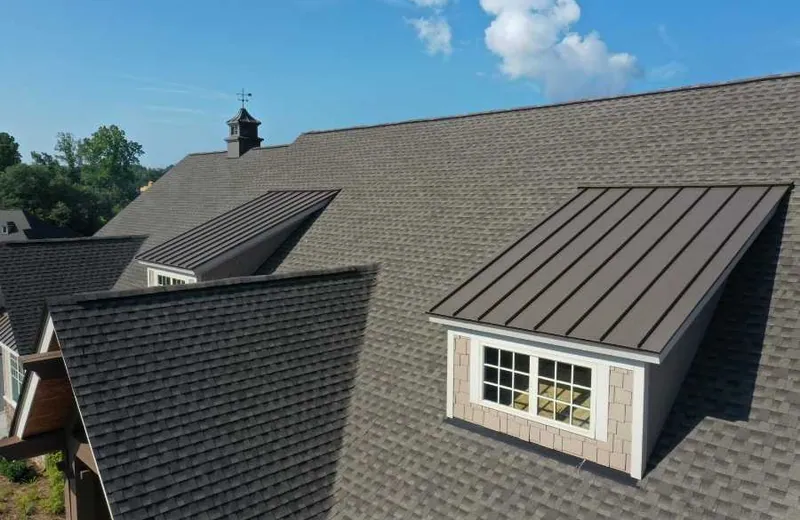
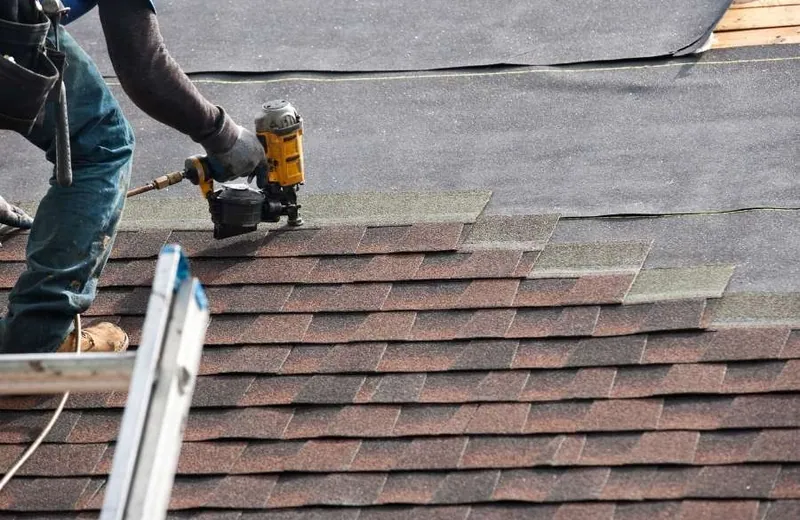
Roof Replacement, Installation & Asphalt Shingles

Complete tear-off and roof replacement or new roof installation using architectural shingles or 3-tab shingle roofing. Every job includes permits, deck re-nailing, a secondary water barrier and new flashing and drip edge.

We use wind-rated shingles with the nailing pattern required for high-wind zones and a sealed deck or synthetic underlayment. Decking gets replaced as needed. We schedule tear-offs in sections, and many owners choose the drier November–April months for the least rain risk.

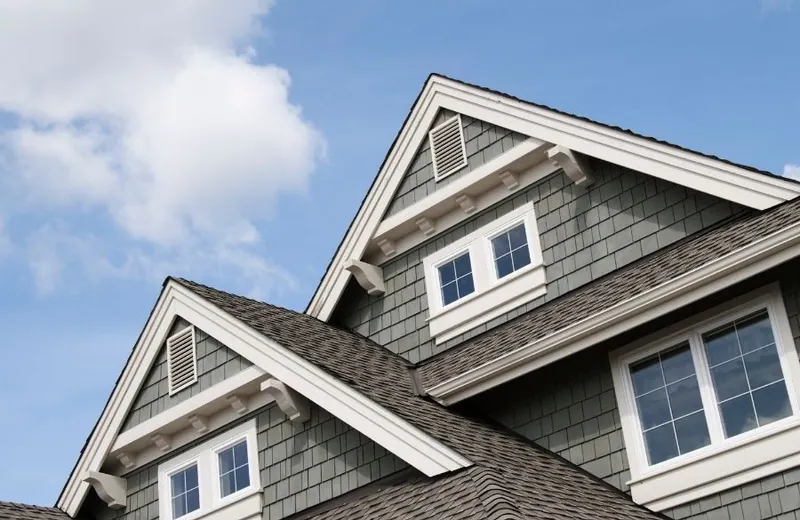
Most Seminole ranches have hip or gable roofs that are ideal for architectural shingles. When those roofs are replaced, we document deck attachment, secondary water resistance and roof shape so your wind mitigation report reflects every credit the home qualifies for.

Best for: Shingle roofs at 15+ years, roofs flagged by insurers, homes being sold, and owners who want a cost-effective, code-compliant upgrade.

Explore
★ Specialty

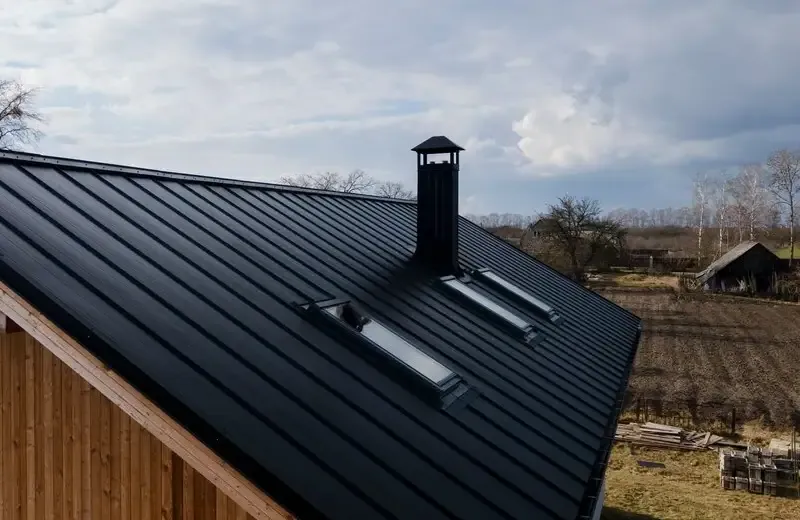
Metal Roofing: Standing Seam, Steel & Corrugated

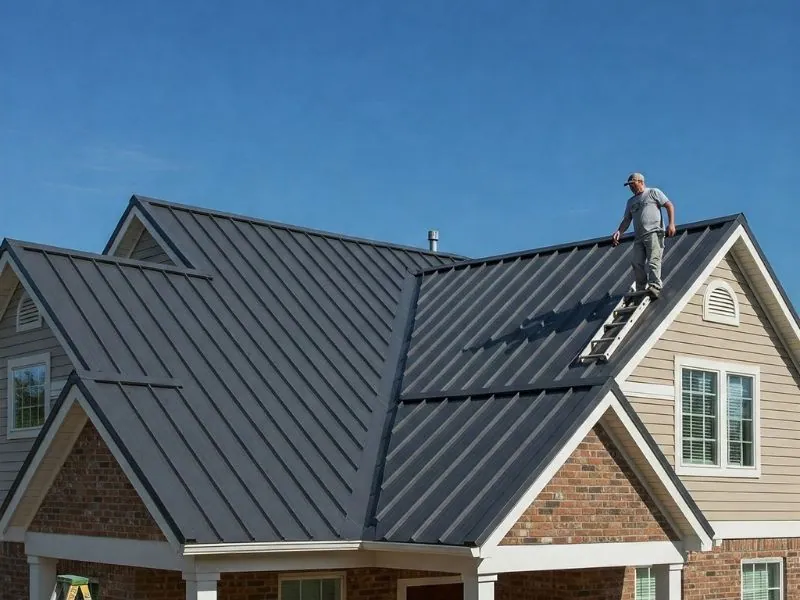
Residential metal roofing, standing seam metal roof systems, steel roofing and corrugated metal roofing, plus metal roof repair and specialty roof flashing for metal roofs, including steel roof flashing and trim.

We use concealed-fastener standing-seam panels or exposed-fastener steel and corrugated panels with sealed screws. Clips, trim and fasteners are chosen for coastal exposure, and the panels go over a high-temperature underlayment.

Since 2024, many Pinellas owners have switched to metal for wind resistance and long service life. Close to the Gulf, in Indian Rocks Beach, Redington Shores and Sunset Beach, we specify aluminum or coastal-rated finishes so salt spray doesn't shorten the roof's life.

Best for: Owners planning to stay long term, coastal homes, manufactured-home roof-overs in 55+ parks, and anyone who wants top wind performance and a cooler attic.

Explore

Tile, Slate, Cedar Shake & Copper Roofing

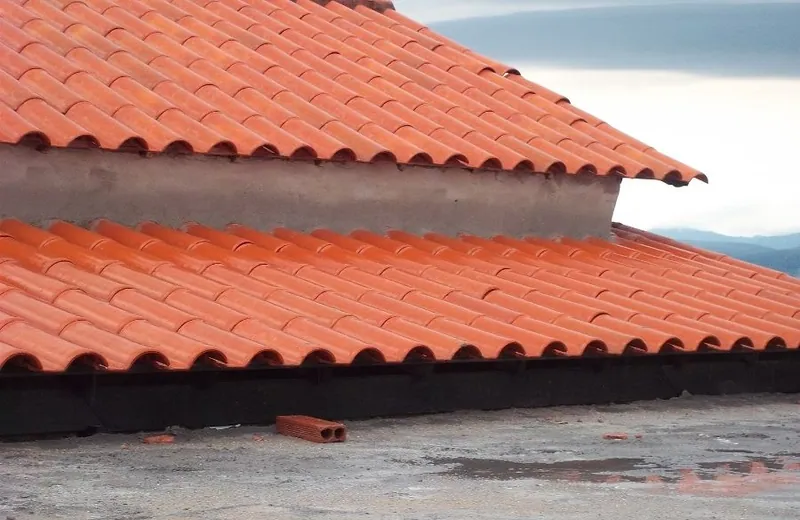
Concrete and clay barrel tile roofing, slate roof installation, cedar shake roofing and copper roofing and accents for higher-end and historic homes. That includes tile resetting and broken-tile replacement.

Tiles are installed with foam adhesive or mechanical attachment that meets Florida wind requirements, over a heavy underlayment. Copper and specialty metals are hand-formed at valleys, chimneys and bay windows.

Tile roofs are common in Belleair, Bardmoor, Countryside and Palm Harbor. Old Northeast and Kenwood Mediterranean Revival homes often have barrel tile and parapets, and changing material or profile there may require historic approval, which we plan for.

Best for: Upscale and HOA-governed homes, historic properties, and owners who want long-life, high-character roofing that meets current wind code.

Explore

Flat Roof Repair & Replacement (TPO, EPDM)

Flat roof repair and flat roof replacement on Florida rooms, carports, lanais and porches using TPO roofing, EPDM rubber roofing or modified bitumen. Every job includes rebuilt transitions where the flat section meets the pitched roof.

We tear off old roll or tar-and-gravel roofing, repair the decking, and add tapered insulation for positive drainage where possible. Then we install heat-welded TPO or fully adhered EPDM and new edge metal.

On Seminole's flat lots, water sits on low slopes for days after a summer storm. Building in slope and properly flashing the tie-in to the main roof fixes the most common leak on 1960s–80s Seminole and Kenneth City homes.

Best for: Leaking add-on rooms, ponding problems, carport and porch roofs, and flat sections that need replacing at the same time as the main roof.

Explore

Commercial Roofing & Commercial Roof Repair

Commercial roofing and commercial roof repair for low- and mid-rise condos, retail centers, offices and HOA clubhouses. We work with TPO, modified bitumen, built-up roofing and coatings.

We survey the whole roof, take core samples where needed, and flash rooftop mechanical equipment. We set up phased schedules to limit disruption to residents and tenants, and we give boards written reports in plain language.

Gulf Boulevard condos and Seminole commercial strips along Park Boulevard face salt air and heavy rooftop HVAC loads. Post-Surfside milestone inspections and structural reserve requirements mean associations need roof condition reports they can budget around.

Best for: Condo associations, property managers, small commercial owners and HOA facilities that need clear documentation for boards and reserve planning.

Explore

Roof Inspection & Roof Maintenance

Detailed roof inspections for insurance, home sales and post-storm checks, plus ongoing roof maintenance plans. Owners receive wind mitigation reports and photo documentation.

We do a slope-by-slope visual and hands-on check and look at the attic for moisture and connections. We check flashing, fasteners and sealants, then deliver a written condition report with prioritized recommendations.

Insurers and Citizens look hard at roof condition, and a roof under 15 years old that passes inspection is harder to non-renew. Yearly checks before June 1 catch salt damage and summer wear before hurricane season starts.

Best for: Insurance renewals, buyers and sellers, seasonal owners, roofs 10+ years old, and anyone still unsure about storm damage from 2024.

Explore

Roof Restoration, Coatings & Waterproofing

Roof restoration, roof coating application and roof waterproofing for flat roofs, metal roofs and manufactured homes. These treatments extend service life without a full tear-off.

We clean, repair seams and fasteners, prime, and apply silicone or acrylic reflective coatings at the manufacturer's specified thickness. Detail areas get reinforcing fabric.

White reflective coatings can noticeably cut roof surface temperatures under Seminole's summer sun. They're a popular, budget-friendly option for manufactured homes in Seminole, Largo and Pinellas Park 55+ communities.

Best for: Structurally sound flat or metal roofs, manufactured homes, budget-conscious owners and commercial roofs that are aging but not failing.

Explore

Flashing, Chimney & Roof Ventilation

Roof flashing, roof drip edge flashing, chimney flashing repair, chimney leak repair and roof ventilation installation, including ridge, soffit and powered vents.

We install step and counter-flashing cut into masonry, coastal-rated drip edge, and balanced intake-and-exhaust ventilation sized to your attic's square footage.

Seminole attics with AC air handlers sit in near-constant heat and humidity, and that leads to condensation and early shingle aging. Better ventilation and corrosion-resistant flashing fix two of the most common causes of early roof failure here.

Best for: Chimney or wall leaks, rusted drip edge, hot or humid attics, and any re-roof where ventilation needs updating.

Explore

Soffit, Fascia & Gutter Guards

Soffit and fascia installation and repair, along with gutter guard installation to keep leaves out of valleys and downspouts.

We replace rotted fascia boards, install vented aluminum or vinyl soffit for attic airflow, and fit gutter guards sized for heavy subtropical downpours.

Oak-shaded neighborhoods like Oakhurst and Lake Seminole fill gutters fast. Overflowing gutters rot fascia and send water against stucco walls and into the foundation, which matters on low-lying Pinellas lots.

Best for: Homes with rotted or rusted roof edges, overflowing gutters, heavy tree cover, or soffits that are blocking attic ventilation.

Explore
Know The Signs

Common Roof Problems We Find in Seminole and Nearby Towns

These are the problems we see most on Pinellas roofs, roughly in the order homeowners call about them. Some are urgent and some just need watching. Knowing why each one happens here helps you catch it before a small repair turns into rotten decking and a mold problem.

Hidden Hurricane Damage from Helene and Milton Serious

Damage that didn't show up as a leak right after the storm. It includes shingles that lifted and creased, tile seals that broke, ridge caps that shifted, punctures in flat roofs and decking that got soaked. The roof looks fine from the street, but it's taking on water every time it rains.

Why it's common here

Pinellas took three hits in about 14 months: Idalia's surge in August 2023, Helene's surge in September 2024 and Milton's wind and tornadoes in October 2024. When winds gust past 70 mph, they can break a shingle's sealant strip and fold it back without tearing it off. The shingle settles back into place but doesn't reseal. Then the June–September wet season drives sideways rain under those loose tabs. Many owners spent late 2024 dealing with flooding or waiting on contractors, so they never had the roof itself inspected. Those missed problems are now showing up as slow leaks.

Signs you'll notice
  • Horizontal crease lines across shingle tabs
  • Ceiling stains that show up only after wind-driven storms
  • Ridge cap pieces out of line or missing
  • Shingle granules piling up in gutters or at downspouts
  • Musty smell in the attic or a closet along an outside wall
  • Spongy spots when walking the roof
Local patterns

We see this most on shingle ranches in Ridgecrest, Oakhurst and the Lake Seminole area, where big oaks dropped limbs. On the beaches, Redington Beach and John's Pass homes often have flat-roof punctures and rusted flashing left over from surge debris and wind-blown sand.

Our fix: Full documented inspection with photos, followed by targeted shingle or tile resealing and replacement, or a section replacement where code allows it. Decking gets replaced if moisture readings show rot.

Flat-to-Pitched Roof Tie-In Leaks Moderate

Leaks where a flat or low-slope add-on, such as a Florida room, carport or enclosed porch, meets the main shingle roof. Water collects at the joint, gets past old flashing and runs into the wall or ceiling below. It's often caught only after drywall or paneling starts to stain.

Why it's common here

Thousands of 1960s–80s Seminole and Largo homes got flat add-ons that were roofed separately with rolled roofing or modified bitumen. Often the add-on was done years after the main roof, by a different crew. Seminole's flat land and heavy summer downpours leave standing water on those low slopes, and the transition flashing is usually the oldest and weakest part of the whole roof. Daily heat swings make the two roof sections expand and contract at different rates, which slowly opens the seam.

Signs you'll notice
  • Stains where the Florida room ceiling meets the house wall
  • Water standing on the flat section 48 hours after rain
  • Blistered or cracked roll roofing
  • Flashing pulled loose or caulked over repeatedly
  • Soft or sagging spots on the add-on ceiling
  • Peeling paint on the stucco just below the tie-in
Local patterns

This is the most common call from Seminole Lake Country Club and Bay Pines-area ranches, and from Kenneth City and Pinellas Park homes where carports were enclosed decades ago. It's also common on manufactured homes with add-on rooms in 55+ parks.

Our fix: Replace the flat section with TPO or modified bitumen, add tapered insulation to improve drainage, and install new step and counter-flashing that ties properly into the pitched roof.

Salt-Air Corrosion of Flashing and Fasteners Moderate

Rust and pitting on drip edge, vent pipe collars, valley metal, nails and metal panels caused by salt spray from the Gulf and the bay. Once flashing corrodes through or fasteners lose their grip, wind and rain get into the roof system.

Why it's common here

Seminole is bordered by Boca Ciega Bay, Long Bayou and Lake Seminole, and the Gulf beaches are just a few miles west. Prevailing sea breezes carry salt inland every afternoon, and humidity in the mid-70s keeps that salt wet on metal surfaces. Builders often used standard galvanized nails and painted steel drip edge that were never rated for coastal exposure. Near the water, those parts can fail years before the shingles or tile around them.

Signs you'll notice
  • Orange rust streaks on fascia or stucco
  • Drip edge flaking or crumbling at the corners
  • Rusty nail heads showing on ridge or shingles
  • Rust stains on vent pipe collars
  • Chalky, faded or pitted metal roof panels
  • Screws backing out on metal or corrugated roofs
Local patterns

It's worst in Madeira Beach, Redington Shores, Indian Rocks Beach and Sunset Beach on Treasure Island, and on bayfront streets near Bay Pines. We also see it on older corrugated-roof porches and sheds all over western Seminole.

Our fix: Replace corroded metal with aluminum, stainless or coastal-rated coated steel flashing and stainless fasteners. On metal roofs, re-fasten panels with sealed, corrosion-resistant screws.

Aging 3-Tab Shingles at the End of Their Life Serious

Older 3-tab asphalt shingles that have lost their granules, dried out and curled, and no longer hold their seal in the wind. In Pinellas heat they often reach this point at 12–18 years, long before the 20–25 years shown on the wrapper.

Why it's common here

Pinellas roofs get strong UV all year, and overnight lows stay in the mid-70s, so the shingles never cool down. That speeds up the loss of asphalt oils. Many roofs here went on after the mid-2000s hurricane seasons and are now 15–20 years old. 3-tab shingles also have lower wind ratings than architectural shingles, and insurers often flag them during four-point and roof-condition inspections, which can lead to non-renewal notices.

Signs you'll notice
  • Bald patches where the black mat shows through
  • Curled, cupped or brittle tab edges
  • Lots of granules in gutters
  • Missing tabs after an ordinary afternoon storm
  • Insurance inspection report calling for replacement
  • Black algae streaks over most of the roof
Local patterns

This is very common in the Park Boulevard / Seminole City Center area, Kenneth City and central Largo, where whole blocks of ranches were re-roofed around the same time. We also see it in older Countryside neighborhoods in Clearwater.

Our fix: A full re-roof with wind-rated architectural shingles or metal. The job includes deck re-nailing, a sealed deck or secondary water barrier, and new flashing, all permitted and inspected.

Rotten Decking and Missing Hurricane Straps Serious

Plank or early plywood decking that has softened from years of slow leaks, plus roof trusses that are toe-nailed to the walls with no hurricane clips or straps. You can't see either problem from the ground. Both usually come to light during a tear-off.

Why it's common here

Homes built in Seminole's 1960s–70s building boom came before modern Florida wind codes. Builders often used board decking and toe-nailed trusses with few roof-to-wall connectors. Decades of humidity, poor attic ventilation and the occasional leak soften the wood. Current code requires deck re-nailing during a re-roof, and qualifying homes may need roof-to-wall upgrades. That's why surprise costs show up after the old roof comes off, so we plan for them before you sign.

Signs you'll notice
  • Sagging or wavy rooflines between rafters
  • Soft spots when walking the roof
  • Daylight visible through attic decking
  • Dark staining on rafters or the underside of the deck
  • No metal clips visible where trusses meet the top of the wall
  • Nails backing out through shingles
Local patterns

We find this in nearly every pre-1980 ranch in Seminole, Largo and Pinellas Park. St. Petersburg bungalows in Kenwood and Old Northeast, and Downtown Dunedin homes, often still have their original board decking from the 1920s–40s.

Our fix: Replace the damaged decking sheet by sheet, re-nail to current code and add roof-to-wall connections where they qualify. All of it is documented so it can count toward wind mitigation credits.

Active Storm Leak or Exposed Roof Deck Emergency

Water coming into the house during or right after a storm, or a section of roof missing shingles, tile or membrane so the deck is open to the weather. Every hour of rain adds to ceiling, insulation and mold damage.

Why it's common here

Hurricane-force gusts, Milton-style tornadoes and lightning strikes can tear off roofing or break decking in minutes. In Tampa Bay's summer pattern, one storm is often followed by another the same afternoon, so an open roof doesn't stay dry for long. Low-lying lots and sandy soil add moisture from below too. Fast tarping is the difference between a roof repair and a gutted interior.

Signs you'll notice
  • Water dripping from ceilings, light fixtures or vents
  • Shingles, tiles or membrane in the yard
  • Exposed plywood or underlayment visible from the ground
  • Tree limb on or through the roof
  • Ceiling drywall bulging or sagging
  • Scorch marks after a lightning strike
Local patterns

After big storms, calls spike from oak-shaded neighborhoods like Oakhurst and Lake Seminole and from exposed beachfront homes along Gulf Boulevard. Absentee owners in Treasure Island often find out from neighbors days later.

Our fix: Emergency tarping or temporary dry-in, interior water mitigation guidance and full photo documentation for your insurer, followed by a permanent repair or replacement plan.

Algae Streaks, Mildew and Clogged Valleys Minor

Black streaks of Gloeocapsa magma algae, mildew and moss on shingles and tile, plus leaves and debris packed into valleys and gutters. It starts as a cosmetic issue, but over time it holds moisture against the roof and speeds up wear.

Why it's common here

Constant humidity, dew that sits until mid-morning and heavy shade from live oaks give algae and moss ideal growing conditions. That's especially true on north-facing slopes. Oaks drop leaves all spring, and that debris plugs valleys right when the summer storms start. Water that backs up in a clogged valley can get under shingles or tile laps.

Signs you'll notice
  • Black or dark green streaks running down the slope
  • Green moss along tile laps or shingle edges
  • Leaves and debris piled up in valleys
  • Gutters overflowing during storms
  • Shingle edges lifting where moss has grown in
  • Faded or stained tile color
Local patterns

This shows up heavily under the tree canopy in Seminole Lake Country Club, Oakhurst and Bardmoor. HOAs in Bardmoor and Belleair sometimes send violation letters about streaked roofs.

Our fix: Soft-wash cleaning with roof-safe solutions, clearing valleys and gutters, installing gutter guards and adding zinc or copper strips where appropriate to slow regrowth.

Transparent Pricing

How Much Does a Roof Cost in Seminole, FL?

Roofing prices in Pinellas depend on material, roof size and complexity, and how much hidden damage turns up under the old roof. The ranges below reflect typical current pricing in our area. Your actual quote comes after an inspection.

Typical Project

Leak repair after a summer storm

Pipe boot replacement, resealing lifted shingles and a small flashing repair on a Seminole ranch

$400 – $1,800
Typical Project

Flat roof replacement on a Florida room

Approx. 250–400 sq ft add-on, tear-off of old roll roofing, TPO or modified bitumen, new tie-in flashing

$4,500 – $10,000
Typical Project

Architectural shingle re-roof

Approx. 1,800–2,200 sq ft single-story CBS ranch, code re-nailing, secondary water barrier, moderate decking replacement

$14,000 – $26,000
Typical Project

Standing-seam metal or concrete tile re-roof

Approx. 2,000–2,500 sq ft home, coastal-rated components, full underlayment and flashing package

$30,000 – $60,000
Roofing Material Primary Factor

Material is the biggest driver. Architectural shingles are the most budget-friendly full replacement. Standing-seam metal and concrete or clay tile cost noticeably more up front but last longer and perform better in high winds. Flat-roof membranes like TPO and EPDM are priced by the square, or 100 sq ft. Specialty materials such as slate, cedar and copper sit at the top of the range and show up mostly on historic or high-end homes.

Roof Size, Pitch and Complexity Primary Factor

A simple low-pitch hip roof on a Seminole ranch goes faster than a steep, cut-up roof with dormers, valleys and parapets like you'll find in Old Northeast or Dunedin. More valleys, penetrations and transitions mean more flashing and labor. Multi-level roofs and flat-to-pitched tie-ins add detail work, and two-story or elevated beach homes need more safety setup.

Decking Repair and Code Upgrades Major Factor

Florida code requires deck re-nailing and a secondary water barrier on re-roofs, and qualifying homes may need roof-to-wall connection upgrades. On 1960s–80s homes, rotten plank or plywood decking is common. We price replacement per sheet in the estimate so you see the possible range in advance. These upgrades also tend to earn wind mitigation credits that can offset part of the cost over time.

Coastal Exposure and Access Secondary Factor

Barrier-island homes in Madeira Beach, Redington Shores and Treasure Island need stainless fasteners and coastal-rated flashing, which cost more than standard parts. Tight lots, parking limits, dumpster placement and bridge traffic on Gulf Blvd or the Tom Stuart Causeway can add labor time. Flood-zone permitting may add review steps too.

Permits, HOA and Historic Requirements Secondary Factor

Permit fees vary by jurisdiction, whether that's Pinellas County, Largo, St. Pete, Clearwater or another city. HOAs in Bardmoor or Belleair may require specific tile profiles or approved metal colors, and historic districts may restrict material changes. These requirements can narrow your material choices and add paperwork time, though usually not much direct cost.

Financing is available, so you can replace a failing roof now instead of waiting until another storm makes the decision for you. Ask about options when you schedule your inspection. A new wind-rated roof can help keep your home insurable, may earn wind mitigation premium discounts and reassures buyers. In Pinellas, the roof often decides whether a home can be insured or sold.

Local Expertise

Why Seminole Homes Need a Roofer Who Knows the Pinellas Coast

A roof that lasts 25 years in Ohio may only last 15 here. Seminole sits on a low, flat stretch of the Pinellas peninsula, surrounded by salt water and sitting right in the hurricane belt. That changes which materials hold up, how roofs have to be installed and what your insurer will accept.

Heat, Rain, Lightning and Hurricanes All Year

Summer highs hover around 90°F from June through September, and overnight lows rarely fall below the mid-70s. That means attic and deck temperatures stay high for months. Seminole gets roughly 45–55 inches of rain a year, most of it during the June–September wet season. Afternoon storms that come almost every day push wind-driven rain into weak flashing, cracked pipe boots and worn valleys. Tampa Bay also has some of the highest lightning flash density in the country. Hurricane season runs June 1 through November 30, and Florida Building Code design wind speeds for ordinary homes here are roughly 140–150+ mph, higher near the coast. Add strong UV that strips shingle granules, algae streaks on shaded slopes and salt spray that rusts drip edge and fasteners, and you can see why roofs here wear out early.

Ranches, Florida Rooms and Coastal Condos

Most of Seminole, Largo, Pinellas Park and Kenneth City was built between the 1960s and 1980s. The typical house is a single-story CBS ranch with stucco walls, a low-to-medium-pitch hip or gable roof and 3-tab or architectural shingles. Many have a flat add-on, like a Florida room, carport or porch, covered with modified bitumen, rolled roofing or old tar and gravel. That flat-to-pitched tie-in is one of the most common leak points we see. Under the shingles there's often plank or early plywood decking and trusses with no hurricane straps. Out on the beaches, mid-century cottages sit beside elevated new builds and condos with TPO or built-up roofs. And because so many Pinellas roofs went on after the mid-2000s storm seasons, a lot of them are hitting the 15–20-year mark at the same time.

Permits, Insurance and Florida's Roofing Rules

Most re-roofs need a permit and in-progress inspections of deck nailing and the secondary water barrier. Those go through Pinellas County Building Services or city departments in Largo, Pinellas Park, St. Petersburg, Clearwater and Dunedin. Under SB 4-D (2022), when 25% or more of a roof section is replaced, only the new portion has to meet current code, but only if the existing roof was built to the 2007 code or later. Older roofs may still need full replacement. Insurers and Citizens look closely at roof age, though they generally can't refuse coverage based on age alone if the roof is under 15 years old and passes inspection. Wind-mitigation form OIR-B1-1802 can lower premiums. Historic districts in St. Pete, Gulfport and Dunedin, plus HOAs in Bardmoor and Belleair, add their own approval steps.

Who Lives Here and What They Need

The City of Seminole has about 19,000 residents, and the unincorporated greater Seminole area is several times larger, all inside Florida's most densely populated county. The median age is well above the national average. Many owners are retirees on fixed incomes, live in 55+ manufactured-home communities or condos, or are snowbirds who are away during peak storm season. Short-term rental investors in Madeira Beach and Treasure Island need photo documentation and post-storm checks they can review from out of state. Newer arrivals from the Northeast and Midwest often don't know Florida's roof codes yet. Nearly everyone here is wary of out-of-area contractors after 2024, and they rely on referrals and local reputation.

Seminole Roofing Pros Roofing Contractor in Seminole, FL project in Seminole, FL (1)
Seminole, FL
Seminole Roofing Pros Roofing Contractor in Seminole, FL project in Seminole, FL (2)
roofing
Talk to a Local Expert
The Seminole Roofing Pros Difference

Why Seminole Homeowners Choose Seminole Roofing Pros

We Work Here, Not Just After Hurricanes

After 2024, Pinellas filled up with out-of-state storm chasers who took deposits and disappeared. We're a Seminole roofing contractor, and our crews are on roofs in Bay Pines, Ridgecrest, Largo and the beach towns all year. We know which neighborhoods have board decking, which streets get the worst salt spray and how Pinellas County inspectors want deck nailing documented. If something needs another look next wet season, we're a short drive away and easy to reach.

Bonded and Insured on Every Job

Seminole Roofing Pros is bonded and insured. That protects you if something goes wrong on your property, whether it's an injury, accidental damage or a job that stalls. Florida law requires state-licensed roofing contractors and permits for most re-roofs, and we pull the required permits and schedule every inspection. Ask for proof of coverage at any estimate and we'll provide it. Any roofer who hesitates to show proof of coverage is one to avoid.

Built for Florida Wind Code and Salt Air

A roof that's merely installed isn't the same as one built for a 140–150+ mph design wind zone. We use code-required nailing patterns, sealed decks or secondary water barriers, and roof-to-wall upgrades on qualifying homes. Near the water, we specify stainless fasteners and aluminum or coastal-rated flashing so corrosion doesn't undo the work in a few years. It's the difference between a roof that holds and one that peels back in the next storm.

Wind Mitigation Reports That Can Lower Premiums

Insurance is the biggest roofing worry for most Pinellas owners. We document every hardening feature we install, including deck attachment, roof-to-wall connections, secondary water resistance and roof shape, and provide wind mitigation reports so your insurer can apply the discounts you qualify for. If you're dealing with a non-renewal, an inspection demand or a 2% hurricane deductible, we'll help you understand what your roof needs and what it doesn't.

Honest Repair-vs-Replace Advice

Not every roof with a stain needs replacing. If a targeted repair will reliably get you through another several years, we'll tell you. If your roof was built before 2007 and SB 4-D means a partial repair won't pass, we'll explain that too, with photos. We follow Florida's storm-marketing rules to the letter. We never promise a 'free roof,' never offer incentives to file claims and never act as your public adjuster.

Clear Pricing, Financing and Plain-English Contracts

Estimates are itemized, and decking replacement is shown as a per-sheet price, so a 1970s ranch with hidden rot doesn't become a budget shock. Many of our clients are retirees on fixed incomes or condo boards working from reserves, so we write contracts that are easy to read and walk you through every line. Financing is available for owners who'd rather spread the cost of a re-roof over time.

Updates You Can Follow From Anywhere

Snowbirds, absentee owners and short-term rental investors in Madeira Beach, Treasure Island and Indian Rocks Beach can't always be on site. We send photo updates at key milestones: tear-off, deck condition, underlayment, inspection and completion. After storms, we can check the roof and report back so you're not relying on a neighbor's description. Local owners get the same communication. You'll always know what's happening on your roof.

Simple & Transparent

How Your Seminole Roofing Project Works

There are no surprises and no pressure tactics. Here's what happens from the first call to final inspection, with clear updates at every step, whether you live here year-round or are reading them from up north.

Inspection & Documentation

Usually scheduled within a few days; same day for active leaks
  • Slope-by-slope roof inspection and attic check
  • Moisture readings on the decking where we suspect leaks
  • Photos of all damage and wear
  • Review of roof age, materials and insurance concerns

Local note: We check specifically for leftover Helene and Milton damage and for salt corrosion on coastal properties.

Honest Repair-vs-Replace Recommendation

Written estimate typically within 1–3 business days
  • Clear explanation of repair and replacement options
  • Itemized estimate with allowances for possible deck replacement
  • Material options matched to HOA or historic requirements
  • Financing options explained if you want them

Local note: We explain how SB 4-D's 25% rule applies to your roof's build year. We never offer incentives to file claims or act as your public adjuster.

Permits & Approvals

Typically 1–3 weeks depending on jurisdiction and HOA
  • Permit application with the correct building department
  • HOA or architectural review submittals
  • Historic Certificate of Appropriateness coordination when required
  • Material ordering and delivery scheduling

Local note: Permits go to Pinellas County for unincorporated Seminole or to city departments in Largo, St. Pete, Clearwater and other cities. Flood-zone beach homes may need extra review.

Installation

Most homes take 1–4 days; larger tile, metal and commercial jobs take longer
  • Property protection and daily cleanup with magnetic nail sweeps
  • Tear-off in sections so the deck is never left open
  • Deck re-nailing, rotten wood replacement and secondary water barrier
  • In-progress inspections for nailing and underlayment

Local note: We watch radar closely during the wet season and plan work around afternoon storms. On barrier islands, we coordinate parking and timing around Gulf Blvd and causeway traffic.

Final Inspection & Wind Mitigation Report

Final inspection within days of completion
  • Final building inspection and permit closeout
  • Walkthrough with before-and-after photos
  • Wind mitigation report for your insurer
  • Warranty paperwork and maintenance tips

Local note: Send the wind mitigation report to your insurer right away so roof-to-wall, deck attachment and secondary water resistance credits show up at your next renewal.

Trusted Locally

Local, Bonded and Insured Roofing You Can Count On

Service Radius Around Seminole
20-Mile
Seminole, FL

Seminole homeowners, condo boards and seasonal owners count on us for straight answers, careful documentation and roofs built for Pinellas weather. Ask your neighbors, and ask us for proof of bonding and insurance at your estimate.

18
Pinellas Communities Served
Bonded & Insured
On Every Project
Financing
Available for Replacements
BondedInsuredFinancing Available
Where We Work

Roofing Service Areas Around Seminole, FL

From our Seminole base, we serve homes, condos and businesses within a 20-mile radius across Pinellas County. The roofs vary a lot, from barrier-island cottages fighting salt spray to historic St. Pete bungalows and tile-roof homes in North Pinellas.

Seminole & Central Pinellas

SeminoleLargoKenneth CityPinellas ParkBelleair Bluffs & Belleair

Gulf Beaches

Madeira BeachRedington ShoresIndian Rocks BeachTreasure Island

St. Petersburg & North Pinellas

St. PetersburgSouth Pasadena & GulfportClearwaterDunedin & Safety HarborPalm Harbor & Oldsmar

We serve properties within roughly 20 miles of Seminole. If you're near the edge of that range, call and we'll confirm availability. Not sure if we cover your area? Call (727) 758-2416.

Find Us

Serving Seminole, FL & Nearby

6820 Seminole Blvd, Suite 110, Seminole, FL, 33772 · Mon-Sun: 7:00 AM - 7:00 PM

SeminoleLargoKenneth CityPinellas ParkBelleair Bluffs & BelleairMadeira BeachRedington ShoresIndian Rocks BeachTreasure IslandSt. PetersburgSouth Pasadena & GulfportClearwaterDunedin & Safety HarborPalm Harbor & Oldsmar
Questions & Answers

Seminole Roofing FAQs

How much does a new roof cost in Seminole, FL?

For a typical 1,800–2,200 sq ft single-story Seminole ranch, an architectural shingle re-roof usually runs about $14,000–$26,000. Standing-seam metal or concrete tile on a similar home is often $30,000–$60,000. The biggest variables are material, roof complexity and how much decking needs replacing once the old roof is off, which is common on 1960s–80s homes. Florida code also requires deck re-nailing and a secondary water barrier, and both are built into our estimates. We list decking at a per-sheet price so you can see the possible range before signing. Financing is available.

How long does a roof replacement take?

Most single-family shingle re-roofs in Seminole take one to three working days once materials are on site. Tile, metal and larger or more complex roofs can take several days to a couple of weeks, and so can condo and commercial projects. Add time for permitting before the job starts, often one to three weeks depending on Pinellas County or your city's building department and any HOA approval. In the wet season, we plan tear-offs around the afternoon storm pattern and dry-in each section the same day, so weather can shift the schedule a bit.

Do I need a permit to replace or repair my roof in Pinellas County?

Yes, for almost all re-roofs and many repairs. Unincorporated Seminole goes through Pinellas County Building Services, while Largo, St. Petersburg, Clearwater, Pinellas Park, Dunedin and others have their own departments. Inspectors check deck nailing and the secondary water barrier while the work is in progress, then do a final inspection. We handle the application, schedule the inspections and close out the permit. HOA approval in places like Bardmoor or Belleair, or a Certificate of Appropriateness in historic St. Pete, Gulfport or Dunedin neighborhoods, may also be required before work starts.

Can I just repair part of my roof, or does Florida's 25% rule force a full replacement?

It depends on when your roof was installed. Under the 2022 law change (SB 4-D), if 25% or more of a roof section is replaced, only the new portion has to meet current code, as long as the existing roof was built to the 2007 Florida Building Code or later. Roofs installed before then may still need full replacement once repairs cross that threshold. We check your permit history and the roof itself, then explain your realistic options with photos. If a repair makes sense, we'll recommend it.

How do I know if my roof still has hidden damage from Helene or Milton?

Many roofs that looked fine after the 2024 storms have creased shingles, broken sealant strips, cracked tile seals or small flat-roof punctures. Look for horizontal crease lines on shingles, ridge caps out of line, granules in gutters, and ceiling stains that only appear during wind-driven rain. A musty attic is another warning sign. The surest way to know is a hands-on inspection with attic moisture checks. We document what we find with photos so you have a clear record whether you repair or talk to your insurer.

When should I call a roofer instead of waiting?

Call right away for any active leak, missing roofing material, a tree limb on the roof or a lightning strike. Seminole's afternoon storms can come back within hours, and an exposed deck lets water into insulation and drywall fast. Also act soon if your insurer has asked for a roof inspection or replacement, if your shingle roof is 15+ years old, or if you see sagging, soft spots or recurring stains. The best time for planned work is before June 1, ahead of hurricane season.

How can I prevent roof problems in Seminole's climate?

Get a professional inspection once a year, ideally in spring before hurricane season, and after any major storm. Keep valleys and gutters clear, especially under oaks, and consider gutter guards. Check for rusted drip edge and fasteners if you live near the bay or the beaches, and upgrade to stainless or aluminum parts when they need replacing. Make sure your attic is properly vented to cut heat and condensation. Soft-washing algae streaks also keeps moisture off the shingles. Small yearly fixes cost far less than storm-season emergencies.

Will a new roof lower my homeowners insurance?

It often helps. Insurers and Citizens weigh roof age and condition heavily, and under current Florida law they generally can't refuse coverage based solely on age if the roof is under 15 years old and passes inspection. A properly installed roof can also earn wind mitigation discounts on form OIR-B1-1802 for roof deck attachment, roof-to-wall connections, secondary water resistance and hip roof shape. We provide a wind mitigation report after your project so you can submit it to your insurer. The exact savings depend on your carrier and policy.

Get Your Seminole Roof Inspected Before the Next Storm

Hurricane season, insurance renewals and summer downpours don't wait. Get a clear, documented look at your roof from a local, bonded and insured crew, and an honest answer on whether to repair or replace.

  • Hands-on roof and attic inspection with photo documentation
  • Honest repair-vs-replace recommendation, with no claim-filing pressure
  • Itemized written estimate with decking costs shown up front
  • Permit handling and every required inspection scheduled for you
  • Wind mitigation report to help with insurance discounts
  • Financing options for full replacements
  • Photo updates for seasonal and absentee owners

Serving Seminole and a 20-mile radius, including Largo, Kenneth City, Pinellas Park, Madeira Beach, Redington Shores, Indian Rocks Beach, Treasure Island, St. Petersburg, Clearwater and Palm Harbor.

Active leak or storm damage? Call now for emergency roof tarping and temporary dry-in to protect your home until permanent repairs can be made.

Bonded • Insured

Call (727) 758-2416 Free Estimate